
The numbers
The Bureau of Labor Statistics released October's Consumer Price Index on Tuesday morning (BLS):
- Overall prices rose 0.4% in October, after 0.6% in September. Economists expected 0.3%. (CNBC)
- Core prices, which leave out food and energy and are what the Fed watches most closely, rose 0.3% for the third month in a row. The forecast was 0.2%.
- There's no yearly number this time. The government shutdown in October 2025 meant no prices were collected that month, so BLS can't compare October to a year earlier. Anyone quoting an annual inflation rate for October is guessing.
A 0.3% monthly rise doesn't sound like much, but kept up for a year it works out to roughly 3.7%, almost double the Fed's 2% goal.
What got more expensive
- Housing, up 0.3%, was about a third of the whole increase.
- Energy rose 0.7%. Gasoline was up 1.0% after seasonal adjustment and is up 37.4% from a year ago, mostly because of the war with Iran. Electricity rose 0.9%.
- Food rose 0.5%, both groceries and eating out.
- Car insurance rose 0.7%.
- Used cars got cheaper, down 1.2%, one of the few things that did.
There's some relief at the pump: AAA's national average for gas dropped below $4 a gallon for the first time in nearly four months. (CBS News)
Where AI shows up
Two places. CNBC points to the electricity demand from AI data centers as one reason power bills keep rising. And in a speech Tuesday, Fed Governor Christopher Waller flagged price pressure "in high-tech equipment associated with the artificial intelligence (AI) buildout." (CNBC, Federal Reserve)
Memory chips are the clearest example. AI servers are buying up so much memory that the contract price of a common DDR5 chip went from $8.70 in October 2025 to $48 in September 2026, according to the head of memory maker Team Group, who expects the shortage to get worse through mid-2027. That's why phones, laptops and TVs keep getting pricier. (Fortune)
The Fed: not if, but how much
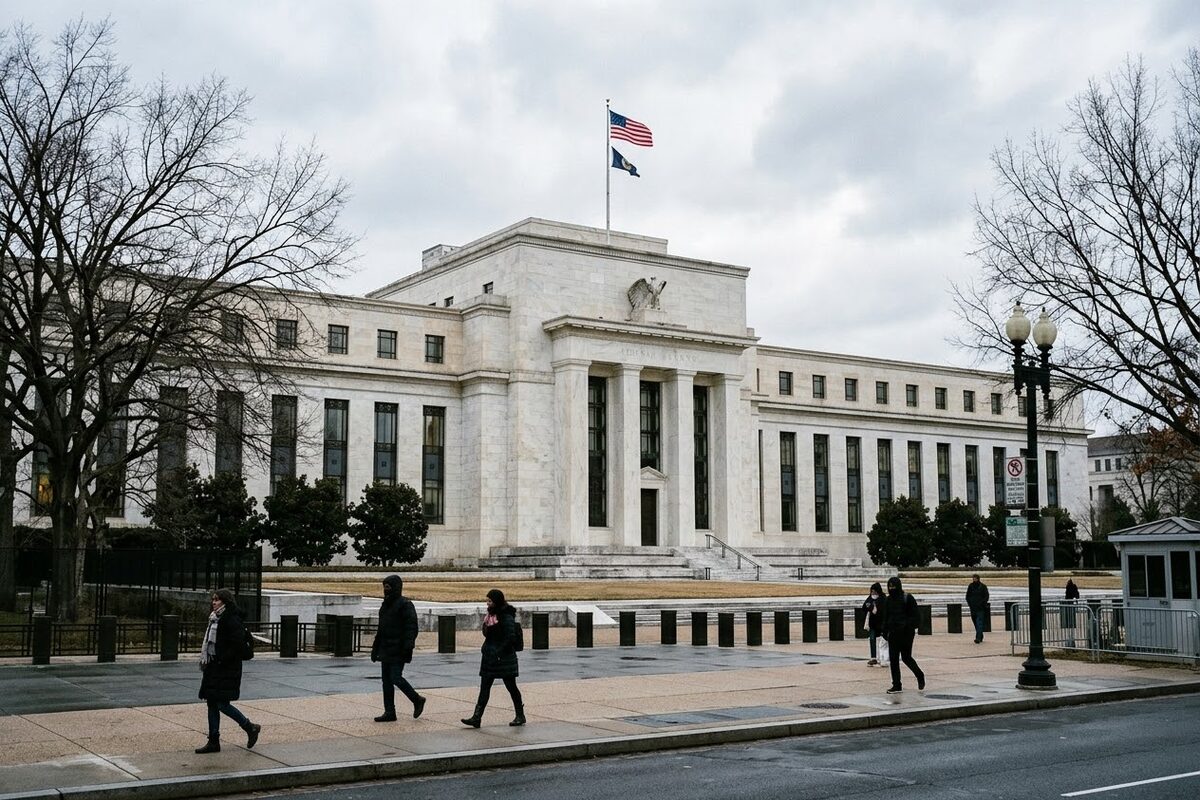
The Fed raised its key rate to 3.75% to 4.00% on September 16 and held it there on October 28, with two officials voting for another hike. It meets again December 8 and 9, and the next inflation report doesn't come out until December 10, so Tuesday's report is the last one it sees before deciding. (Federal Reserve, Fed calendar)
Waller set the bar in his speech, given before the numbers came out: if core inflation ran "around 0.3 percent or even higher," he said "a 50 basis point hike in the policy rate should be considered at the December meeting," and that hiking only a quarter point "would put our credibility at risk." Core came in at exactly 0.3%. Dallas Fed President Lorie Logan said afterward she sees a need for two more quarter-point hikes. (Federal Reserve, CNBC)
After the report, futures markets priced a December hike as essentially certain, with roughly a 14% to 15% chance it's a half point instead of a quarter. That's a forecast, not a decision, and there's still a jobs report and another inflation measure before the meeting. (CBS News)
How markets took it
Stocks slipped: the S&P 500 fell 0.38% and the Nasdaq 0.74% on Tuesday. The bigger move was in bonds. The 10-year Treasury yield jumped more than 0.14 percentage points to just over 5%. That number matters because mortgage rates tend to follow it. (CNBC)
What it means for you
- Savings: good news. The best high-yield savings accounts pay around 4.35% to 4.70%, while the average savings account pays 0.38%. If your emergency fund sits at a big bank earning almost nothing, moving it is the easiest win here. (Fortune, Bankrate)
- Mortgages: 30-year rates were around 7% to 7.25% before Tuesday and had been edging down. With the 10-year at 5%, don't count on that continuing soon. (Fortune)
- Credit cards and variable loans: these move with the Fed. A December hike means your card's rate likely goes up again in a month or two. Paying down that balance is a guaranteed return.
- Your 401(k): keep contributing. One month's inflation report isn't a reason to sell index funds. If anything, regular contributions buy more shares when prices dip.
- Big tech purchases: if you need a new phone or laptop anyway, holiday sales may beat what prices do next year, given the memory shortage.
Verified November 10, 2026, from the BLS October CPI release, Governor Waller's November 10 speech, the Fed's October statement, CNBC, CBS News and Fortune. Rate hike odds are market estimates and change daily. This is general information, not personal financial advice.
Comments
Be kind and stay on topic.
No comments yet. Be the first.