
Earlier this week I wrote that this was a big week for the economy, with the jobs report as Friday's main event. It landed this morning, and it came in soft.
The headline numbers
- Jobs added: 29,000 in September.
- Unemployment rate: 4.2%, still inside the 4.1% to 4.3% range it has held since March.
- Average hourly pay: up 0.1% for the month to $37.81, and up 3.0% from a year ago.
- Average workweek: 34.4 hours, unchanged. (BLS)
For context, the 12-month average is about 45,000 jobs a month. So September was not a collapse, but it came in well below what has been normal for the past year. (BLS)
The part that matters more: revisions
Every jobs report also updates the two months before it. This time, both went down. (BLS)
- July: revised from +21,000 to -10,000. That is an actual monthly job loss.
- August: revised from +162,000 to +133,000.
- Combined: 60,000 fewer jobs than first reported.
That changes the story. August looked like a strong bounce when it came out. Now the summer reads as flat to slightly negative, with one decent month in the middle.
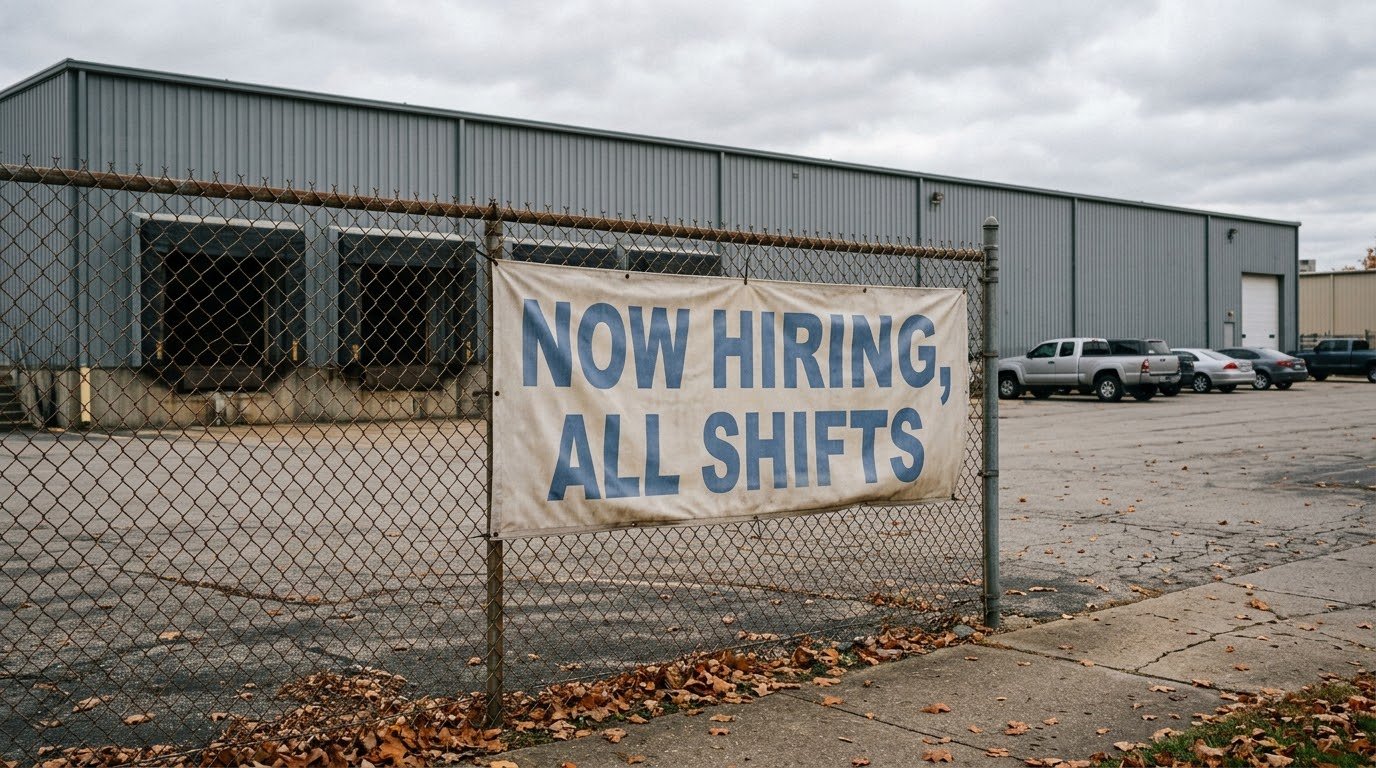
Where the jobs were, and were not
- Health care: +17,000, still adding, but slower than its recent pace.
- Construction: +11,000.
- Manufacturing: +9,000.
- Financial activities: -7,000. (BLS)
Health care has carried job growth for a long time. When even that slows down, it is worth paying attention.
What I watch as someone who works in HR
I work in HR, so I read these reports a little differently than the markets do.
- Pay growth is cooling. 3.0% a year is not bad, but it makes raises harder to stretch, especially for hourly workers. If you want to double check your own pay stub, that is what Plantilla is built for.
- Slower hiring means people stay put. When fewer places are hiring, people tend to hold on to the job they have, even when it is not a great fit.
- The first number is never the final number. Do not make big decisions off one month.
What it means for long-term investors
Short version: not much should change if you are investing for the long run.
- A weak jobs report usually raises expectations for lower interest rates, which is why markets sometimes take bad jobs news better than you would expect.
- The unemployment rate is still low, so this is not a recession signal on its own.
- If you are buying broad index funds every month, a soft jobs report is just another month.
The thing that would actually worry me is the unemployment rate breaking out of that 4.1% to 4.3% range. It has not. Not yet.
Bottom line: September was weak, the summer was weaker than first reported, and pay growth is slowing. But the job market is not falling apart. It is cooling, slowly, and you see it more in the details than in the headline. This is a recap, not financial advice.
Verified October 2, 2026, against the Bureau of Labor Statistics release. The studio's app lineup is at jcmobileappstudio.com/apps.
Sources: BLS, CNBC, Yahoo Finance
Comments
Be kind and stay on topic.
No comments yet. Be the first.