
Payward, the company behind the crypto exchange Kraken, agreed last Tuesday to buy Saldo Finance Oy, a Finnish holding company that owns Saldo Bank. Saldo is a small digital bank licensed in Lithuania that operates in Lithuania, Finland, Sweden and Germany, with about 197 million euros in assets as of June.
The price wasn't disclosed. The deal isn't done. It needs regulatory approval and is expected to close sometime in 2027. So nothing changes for anyone this week. But I think it's worth understanding, because it's a clear sign of where this is going.
Why a crypto exchange wants a tiny bank
Not for the customers. Saldo is small. Payward wants the license.
A bank license in the EU lets you take deposits, lend money, issue cards and plug directly into SEPA, the European payment system. Kraken already has an e-money license from Ireland and a limited account with the U.S. Federal Reserve, but neither of those makes you a bank. Owning one does. Kraken's co-CEO said it plainly: a regulated EU bank is what lets them serve European customers "the way a primary financial institution should."
Read that again. Kraken doesn't want to be your crypto app. It wants to be your bank, with crypto as one tab.
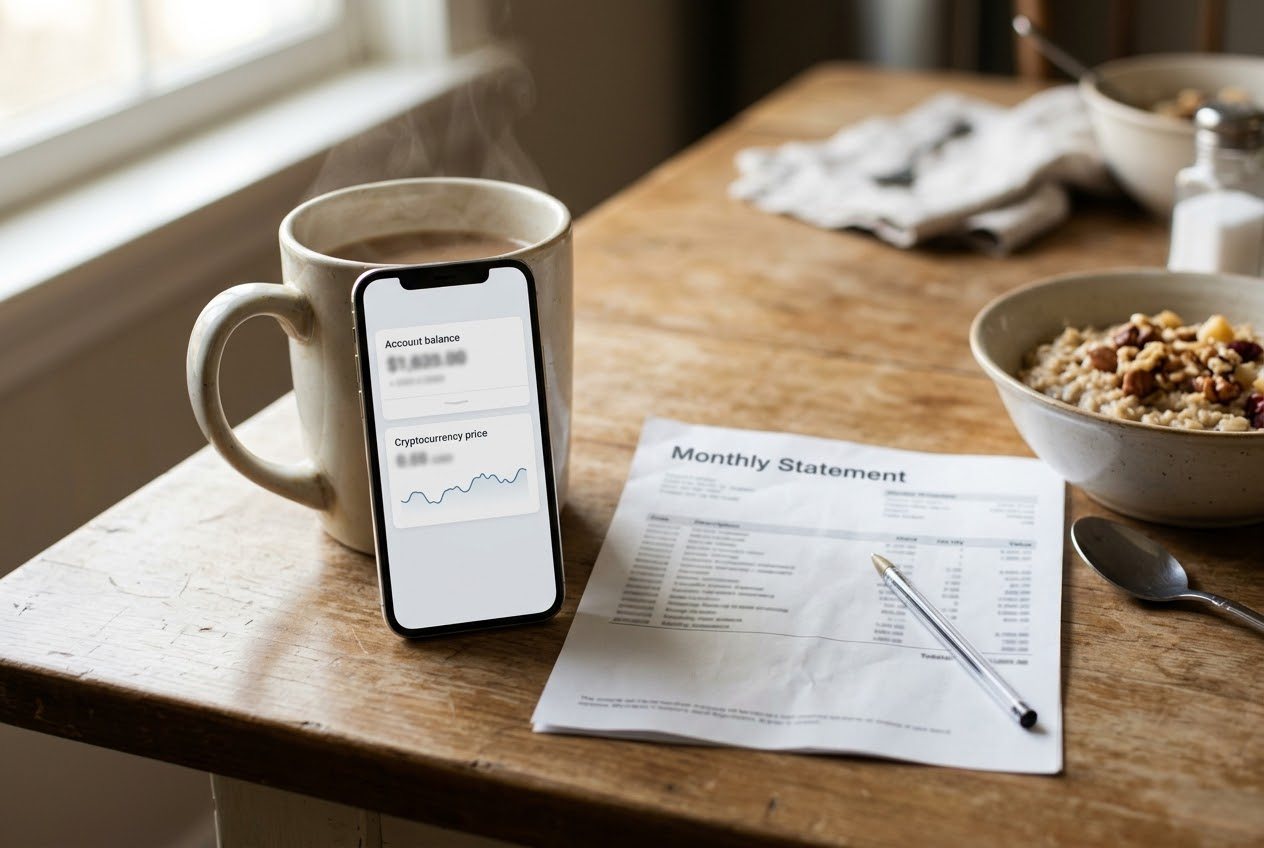
The pattern I'm watching
For years the crypto industry sold itself as the alternative to banks. The last couple of years it's been quietly trying to become one. The reason is simple. If you rely on someone else's bank to hold your customers' cash and move their money, that bank can cut you off, and crypto companies have been cut off before. Owning the bank removes that risk. It also means regulators are now inside the building, which is the trade.
I think that's healthy, honestly. A crypto company that has to satisfy bank examiners is a lot less likely to blow up with your money inside it. But it also means the line between "crypto company" and "bank" is going to blur to the point where the label stops meaning much, and you'll need to read what's actually insured and what isn't.
What this means for a boring investor
Nothing, directly. I'm an index fund person. VTI, VXUS and BND at Fidelity. I work in HR, not finance. I don't own crypto and I'm not planning to.
But I pay attention to this for one reason. The companies in my funds, the big banks and payment companies, are about to get a new kind of competitor that has a bank charter and a user base that already likes trading on its phone. That's a slow pressure on margins, not a crash, and it's exactly the kind of thing that shows up in index returns over ten years without ever making a headline. I'm not changing anything. I just like knowing why the water's moving.
If you use a crypto app and you see it start offering a savings account or a card, ask one question before you move money in: who holds the license, in which country, and what does that country's deposit insurance actually cover. "Bank" is a legal word. Make them show you the paperwork.
This is how I think about my own money. I'm not a financial advisor, and none of this is financial advice.
Verified October 16, 2026. Deal details from Finance Magnates, The Defiant and Crypto Briefing, all October 14. Saldo's asset figure from The Defiant. Closing timeline and regulatory conditions as stated by Payward. The sources disagree on how many countries Saldo can passport into, so I left that out.
Comments
Be kind and stay on topic.
No comments yet. Be the first.