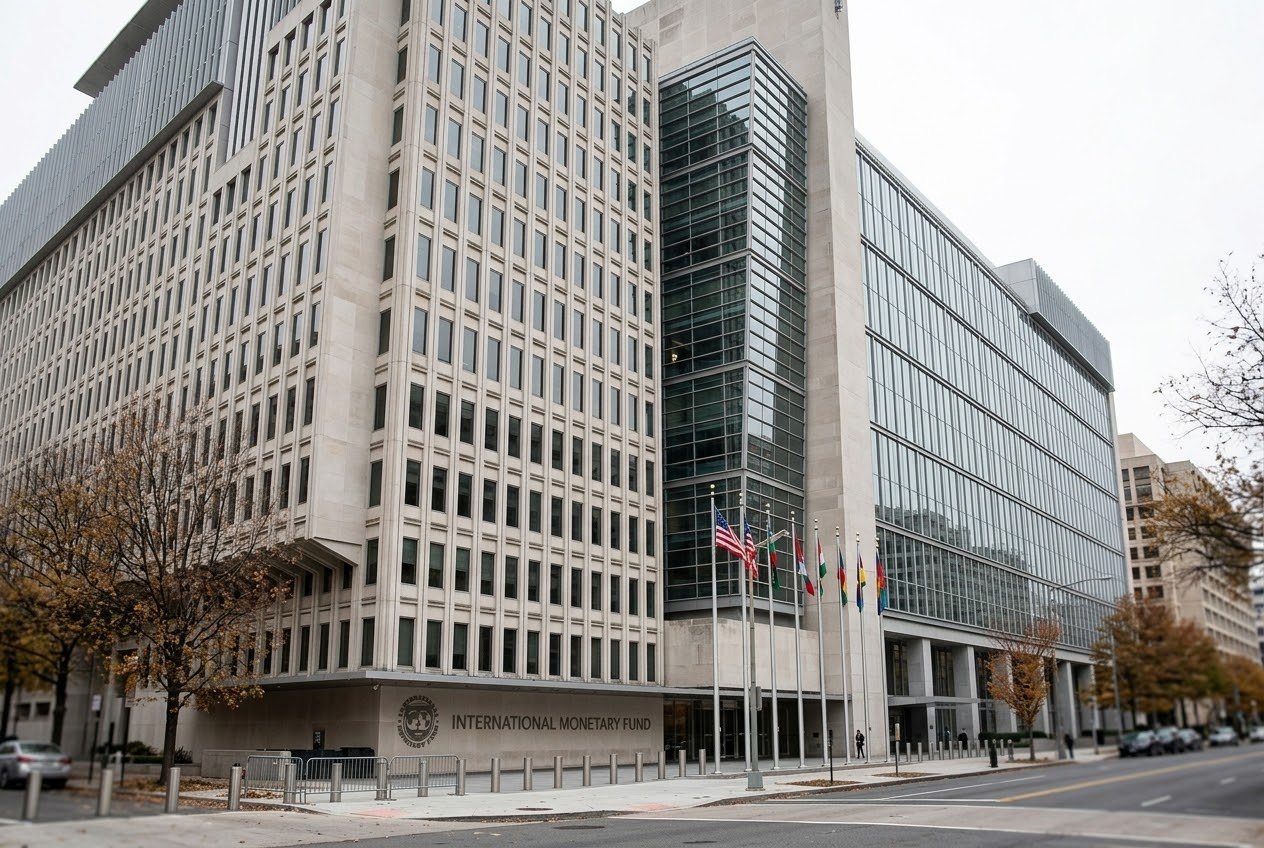
On Monday I wrote about Friday's AI stock selloff and why I wasn't touching my index funds. This week the grown-ups in the room weighed in. The International Monetary Fund, the Financial Stability Board and the European Central Bank all said versions of the same thing within about two days: the AI boom is real, and so is the risk if it disappoints.
None of them said a crash is coming. They said the system is more exposed than it looks. That's a different message, and I think it's worth reading slowly.
What the IMF actually warned about
The IMF's new Global Financial Stability Report, released Tuesday, says markets look calm on the surface but the risks underneath are growing. On AI specifically, its worry is simple: if AI investment and profits turn out weaker or less lasting than people expect, prices of AI-related assets could fall hard, and the damage could spread because so much money is concentrated in the same bets.
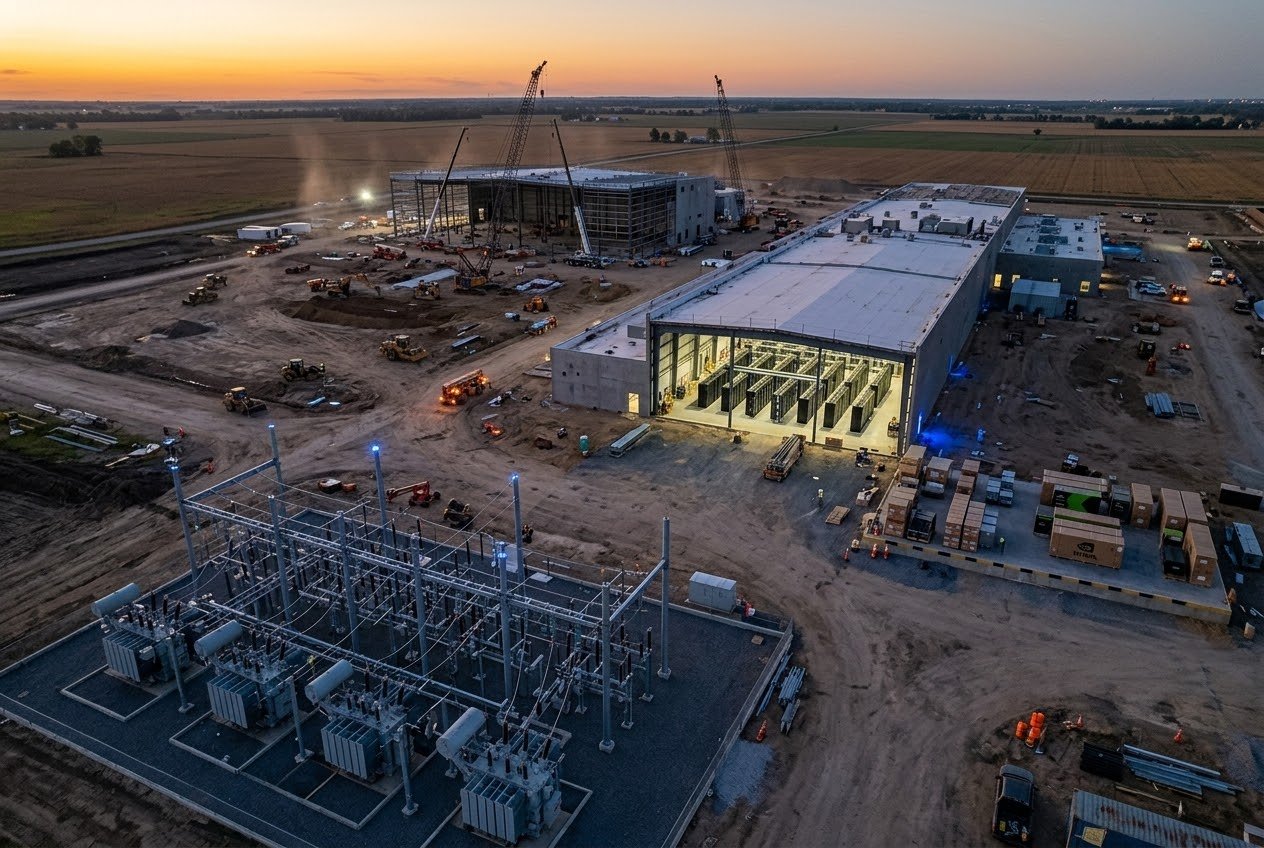
The part that caught my attention isn't stock prices. It's debt. The IMF flagged rising borrowing in private credit, the lending that happens outside regular banks, as something that could make a downturn worse. Earlier this year an IMF official said the debt being taken on to build AI data centers worries him more than high valuations do. A stock that falls hurts the people who own it. A loan that goes bad can spread to people who never bought an AI stock at all.
The regulators are asking different questions
You may have seen headlines saying banks face AI "stress tests." That's not quite what's happening. According to people familiar with it, US, UK and European bank supervisors are pressing banks on something more practical: how they use AI agents, whether they can control and shut them down, and whether they have a backup plan if AI-powered attackers take their systems down. The European Central Bank gave lenders until the end of October to show those plans.
Separately, Andrew Bailey, who chairs the Financial Stability Board, listed AI among the top risks to the global financial system in a letter to G20 finance ministers ahead of their meeting this week, next to shaky government bond markets and private credit.
So there are two different worries here. One is money: too much riding on AI paying off. The other is operations: banks leaning on AI tools faster than they can control them. Both are real, and neither is a reason to panic.
Europe's balancing act
The most interesting voice to me was the ECB's Philip Lane, speaking in Dublin. He made both arguments at once. AI could lift Europe's growth, workers using AI on the job jumped from 26 percent to 52 percent in two years, and roughly a quarter of recent business lending in the euro area is AI-related. But he also named the same risks: high valuations, rising AI debt, and cyber threats. And he pointed out how far behind Europe is, with the US hosting about 75 percent of the world's AI computing power to Europe's 5.
That tension is the whole story. Nobody serious thinks AI is fake. The question is whether the money arrives as fast as the spending.
What I'm doing with my own money
Nothing new, and that's the point. I own broad index funds, which means I already own a lot of these AI giants whether I like it or not, because they're a big share of the market. I'm not adding extra AI bets on top of that, and I'm not selling because an institution used the word "correction."
If you're nervous, look at how concentrated you really are. If most of your portfolio moves with five or six tech names, that's worth thinking about whatever happens next. And if you have an emergency fund and a long time horizon, a warning like this is information, not an instruction.
I'm not a financial advisor, and this isn't advice for your situation. It's how I'm thinking about mine.
Verified October 13, 2026. The IMF's findings are from its October 2026 Global Financial Stability Report, the supervisor details from a Reuters report based on unnamed sources, and Lane's numbers from his speech. My take on last week's selloff is here.
Comments
Be kind and stay on topic.
No comments yet. Be the first.