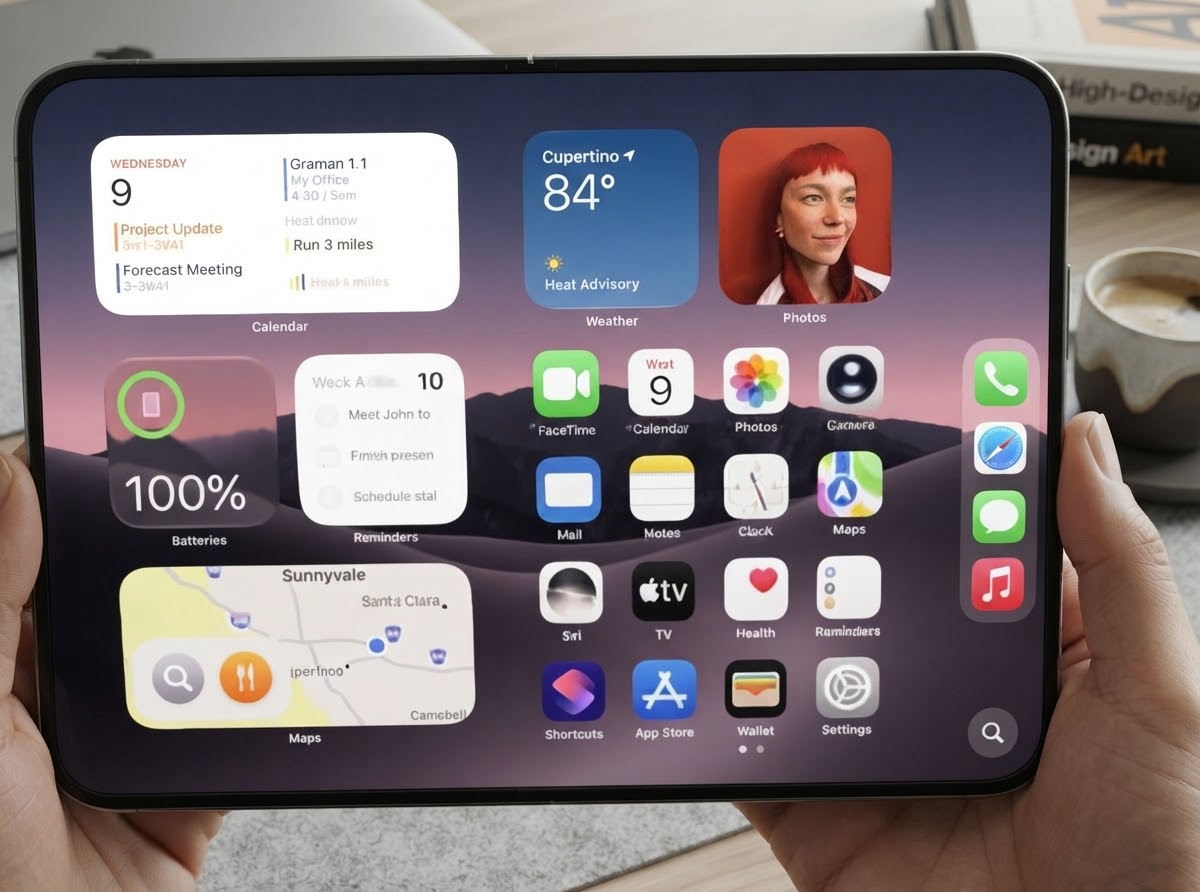
Apple's fall hardware event happened today, live from Apple Park, under the name "Surprise and Shine." True to the name, the headline act was not an iPhone number going up by one, it was Apple's first folding iPhone. Four product lines got updates: iPhone, the foldable iPhone Duo, AirPods, and Apple Watch. Below is what shipped in each, with the pricing and dates Apple actually confirmed, plus what is still unannounced.
iPhone 18 Pro and Pro Max
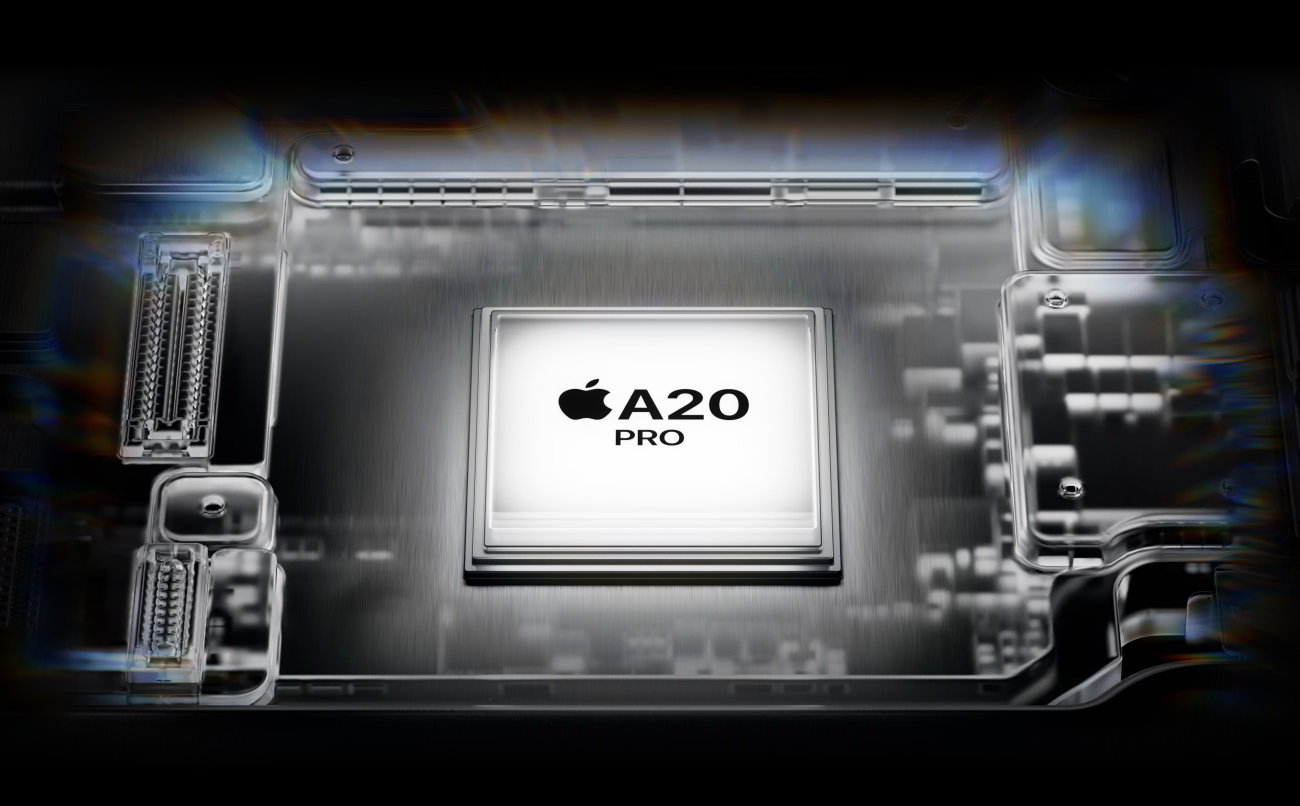
The Pro line gets the new A20 Pro chip, which Apple says is 20 percent faster on CPU and 40 percent faster on GPU than last year's chip. The bigger camera story is a variable aperture on the 48MP main camera, the lens can physically adjust for the scene instead of relying only on software, which is a real first for iPhone. Pro camera controls get shutter speed adjustments and smarter focus tracking, and Photographic Styles now lets you edit skin texture and color balance directly. Apple also introduced something called "Apple Reference Image," a way to verify that a photo is authentic and not AI generated or altered, a response to how blurry the line between real and synthetic photos has gotten.
The Dynamic Island can now run three Live Activities at once instead of two, and a new "iPhone Handoff" feature lets you use the same phone number across two iPhones, useful if you end up owning both a Pro and a Duo, or switch devices often. Battery life is up meaningfully: Apple rates the 18 Pro at 36 hours of video playback and the 18 Pro Max at 45 hours, helped by a redesigned vapor chamber with three times the surface area, which Apple says delivers 40 percent better sustained performance under load.
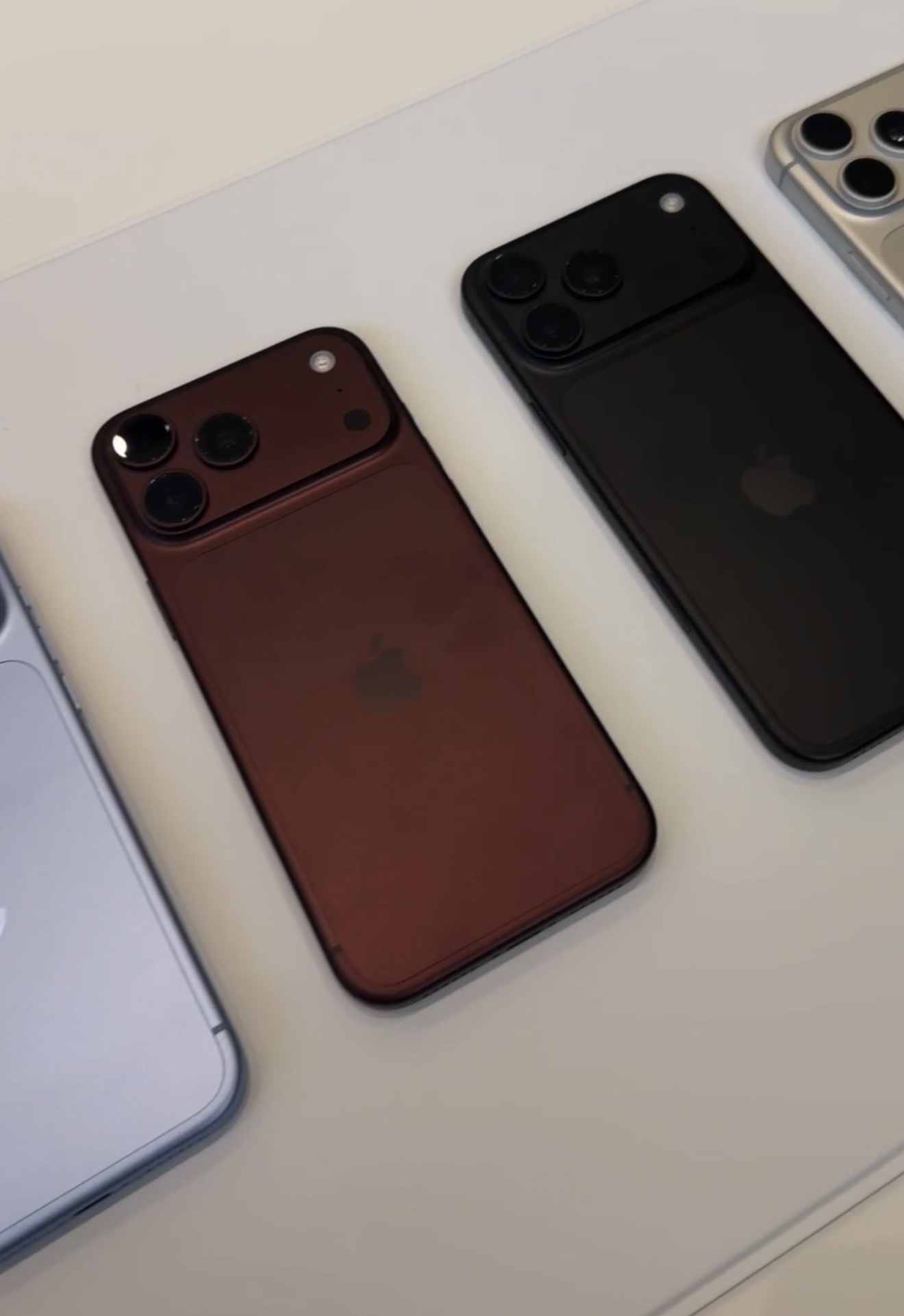
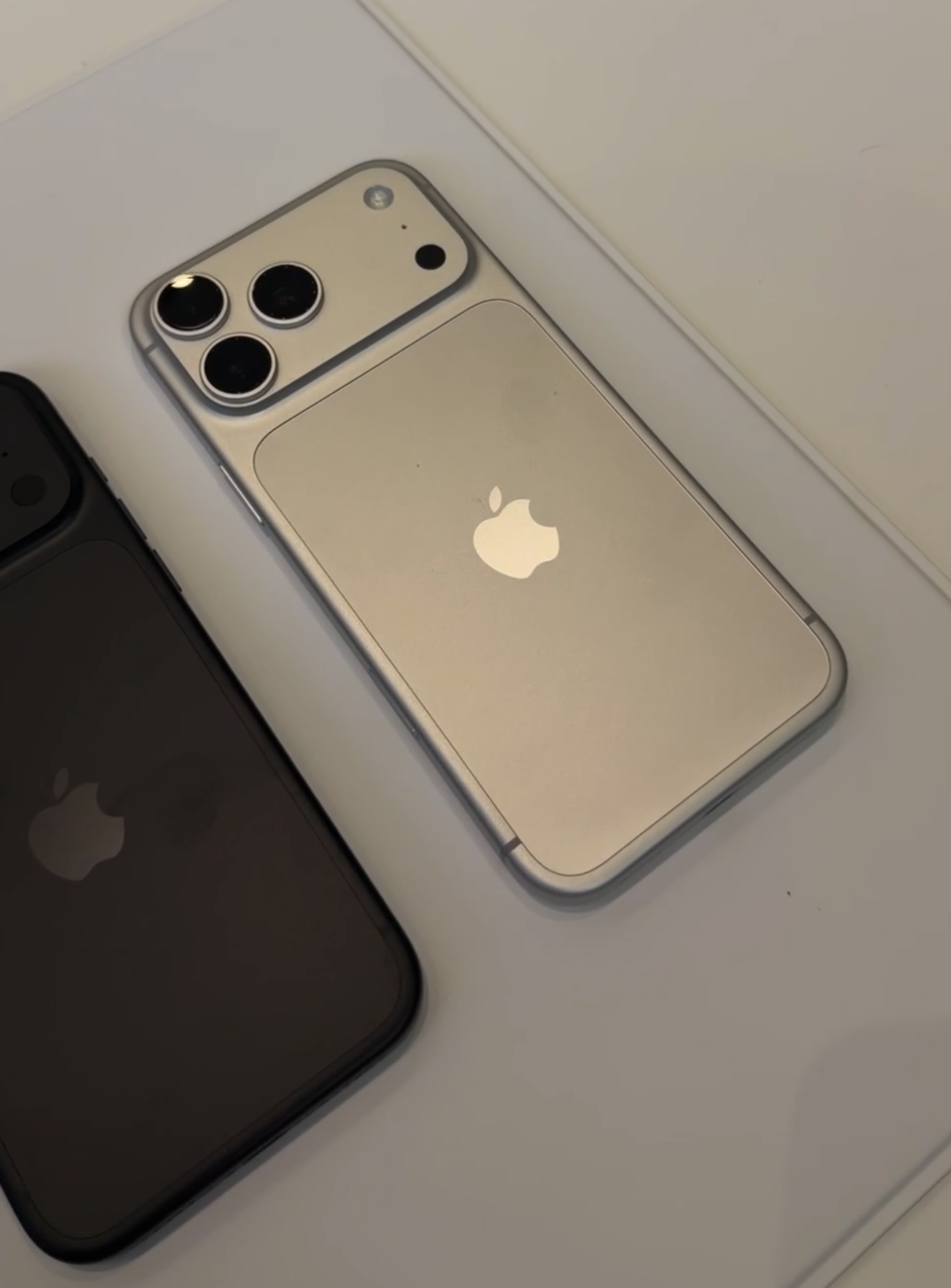
Colors are Silver, Black, Glacier, a lilac tone, and Burgundy. Pricing went up this year: the 18 Pro starts at $1,199 for 256GB, up from $1,099 last cycle, and the 18 Pro Max starts at $1,299 for 256GB, up from $1,199. Apple has not published pricing for the 512GB, 1TB, or 2TB tiers as of this writing. Preorders open Saturday, September 12 at 5 a.m. Pacific. Phones ship Friday, September 18 in more than 65 countries, with a second wave of about 20 more countries and regions following on September 25.
iPhone Duo, the first folding iPhone
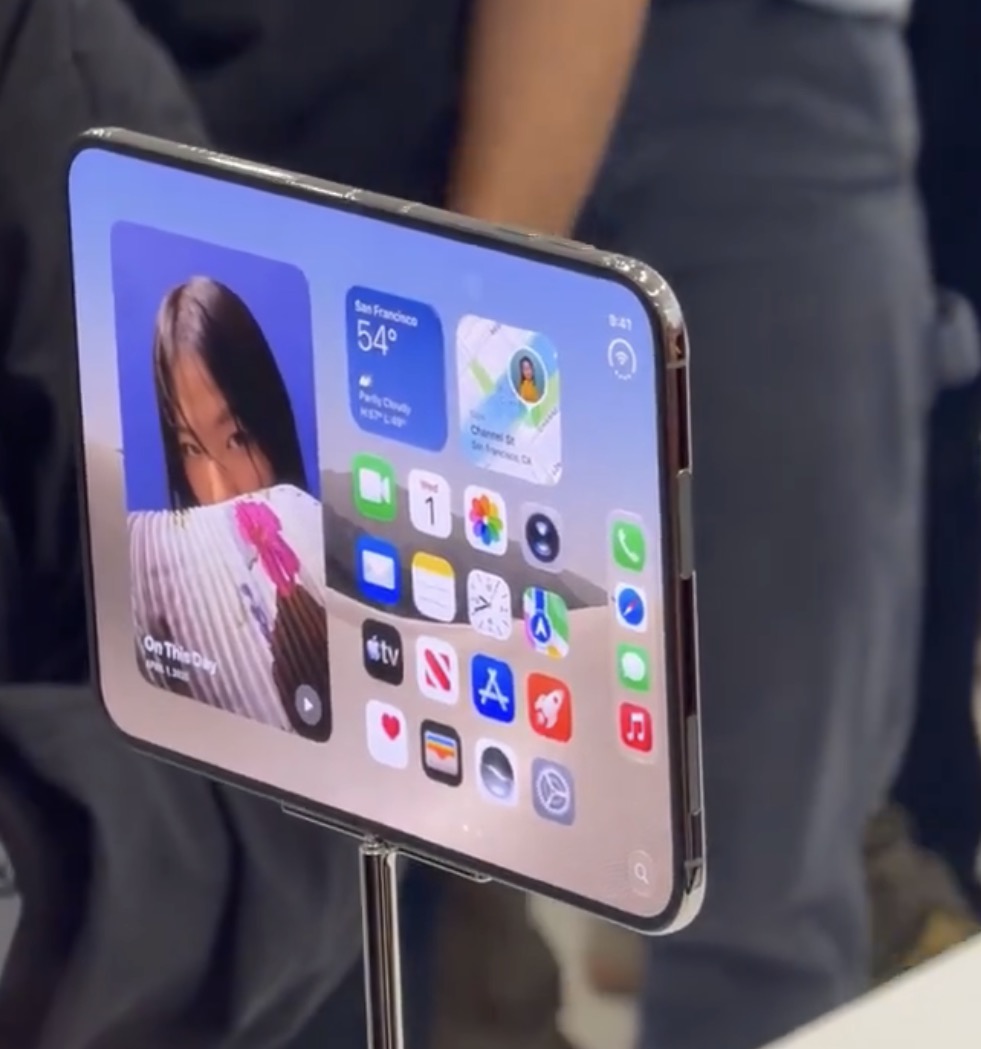
After years of rumors, Apple's foldable is real, and it is positioned squarely against phones like Samsung's Galaxy Z Fold line. It has a 5.4 inch outer display and a 7.6 inch Super Retina XDR display on the inside when unfolded, built on the same A20 Pro chip as the Pro line, paired with Apple's own C2 modem. The camera system is a 48MP main plus a 48MP ultra-wide. The frame is titanium reinforced with ceramic fibers, using a multi-layer lamination Apple says improves durability and scratch resistance, and it is eSIM only in every region, there is no physical SIM tray. Apple is claiming it is the thinnest iPhone ever made when open, with a camera plateau similar to the iPhone Air's. Touch ID handles unlocking instead of Face ID, and Apple Pencil support is coming, but later in 2026, not at launch. Battery life is rated at 24 hours with both screens in use. It comes in Star White and a dark blue called Night Sky.
Pricing starts at $1,999 for 256GB and tops out at $3,199 for 2TB, with 512GB and 1TB tiers available but not priced publicly yet. Preorders open Friday, October 16 at 5 a.m. Pacific. It ships October 23 in the US and more than 70 countries, with 28 additional countries and regions getting it October 30.
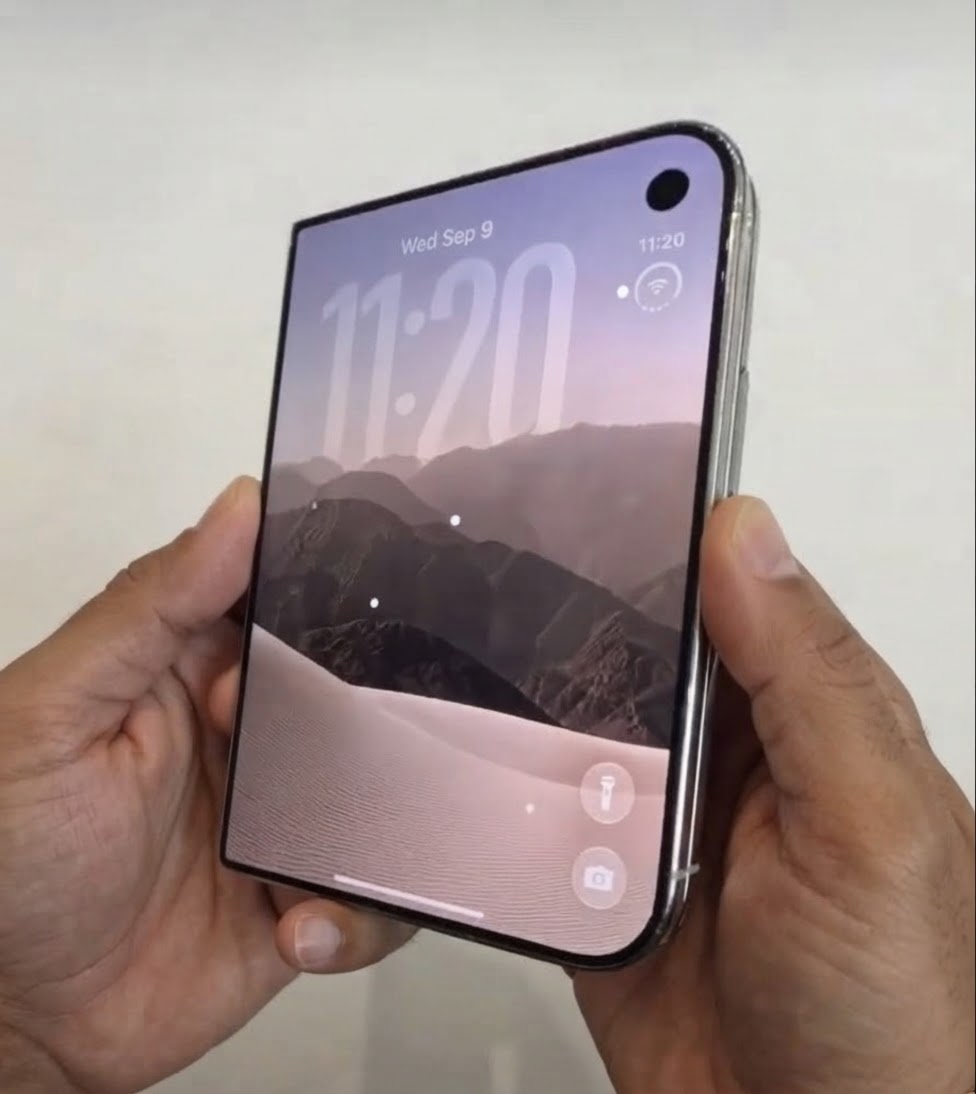
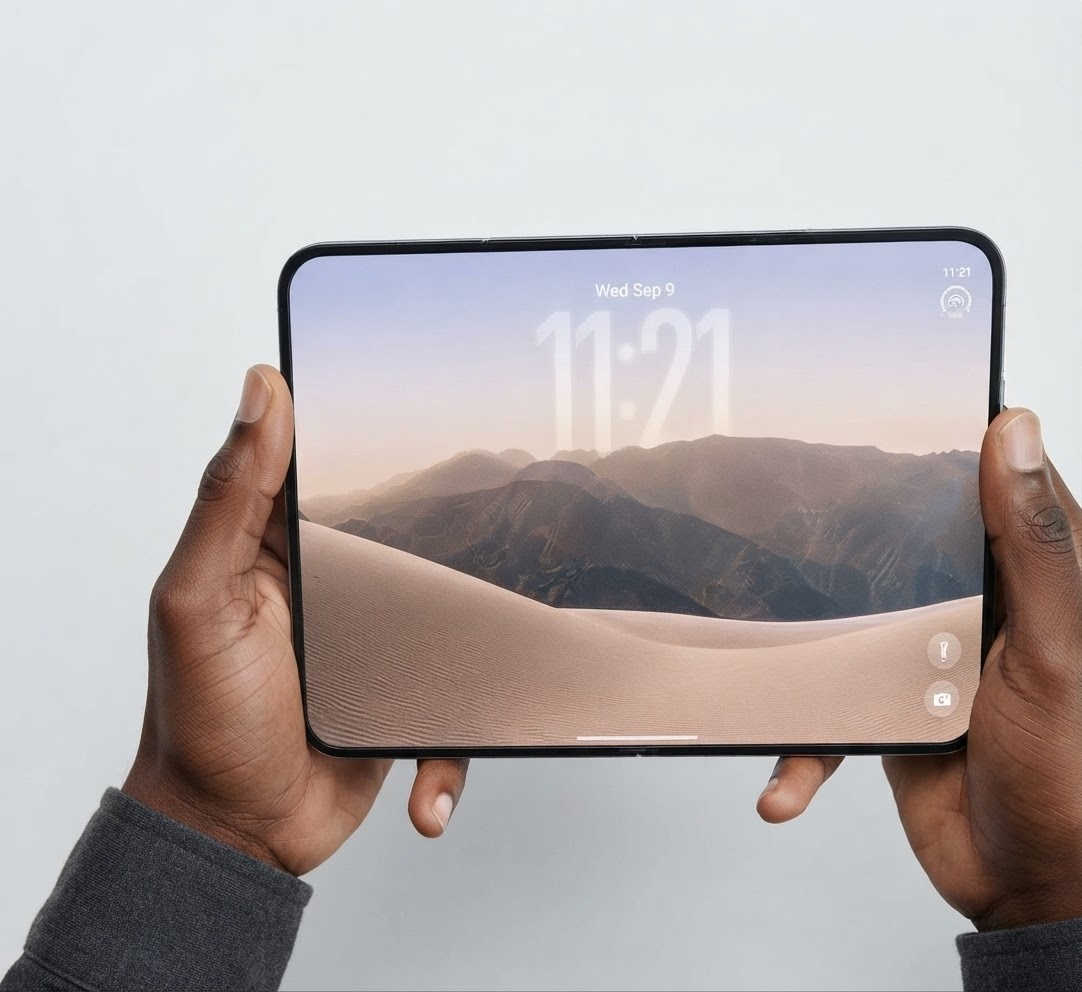
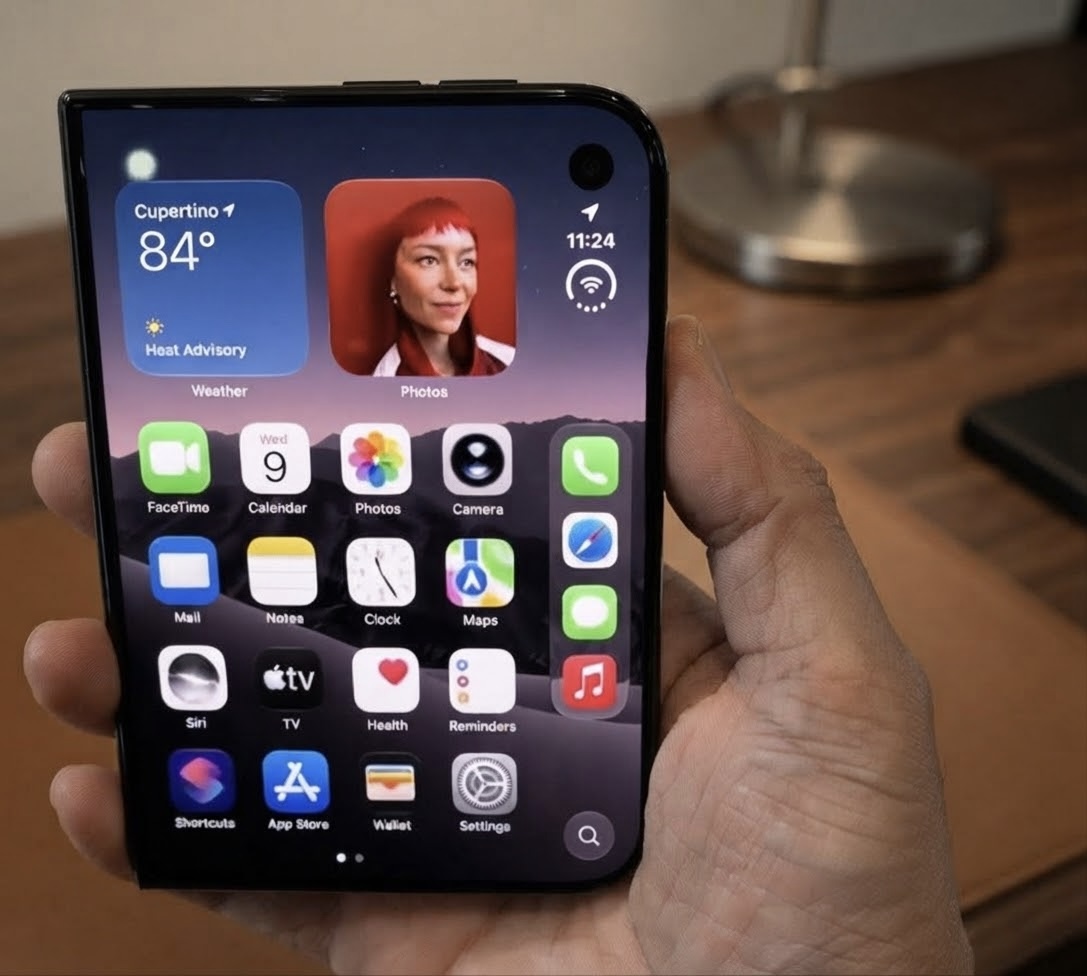
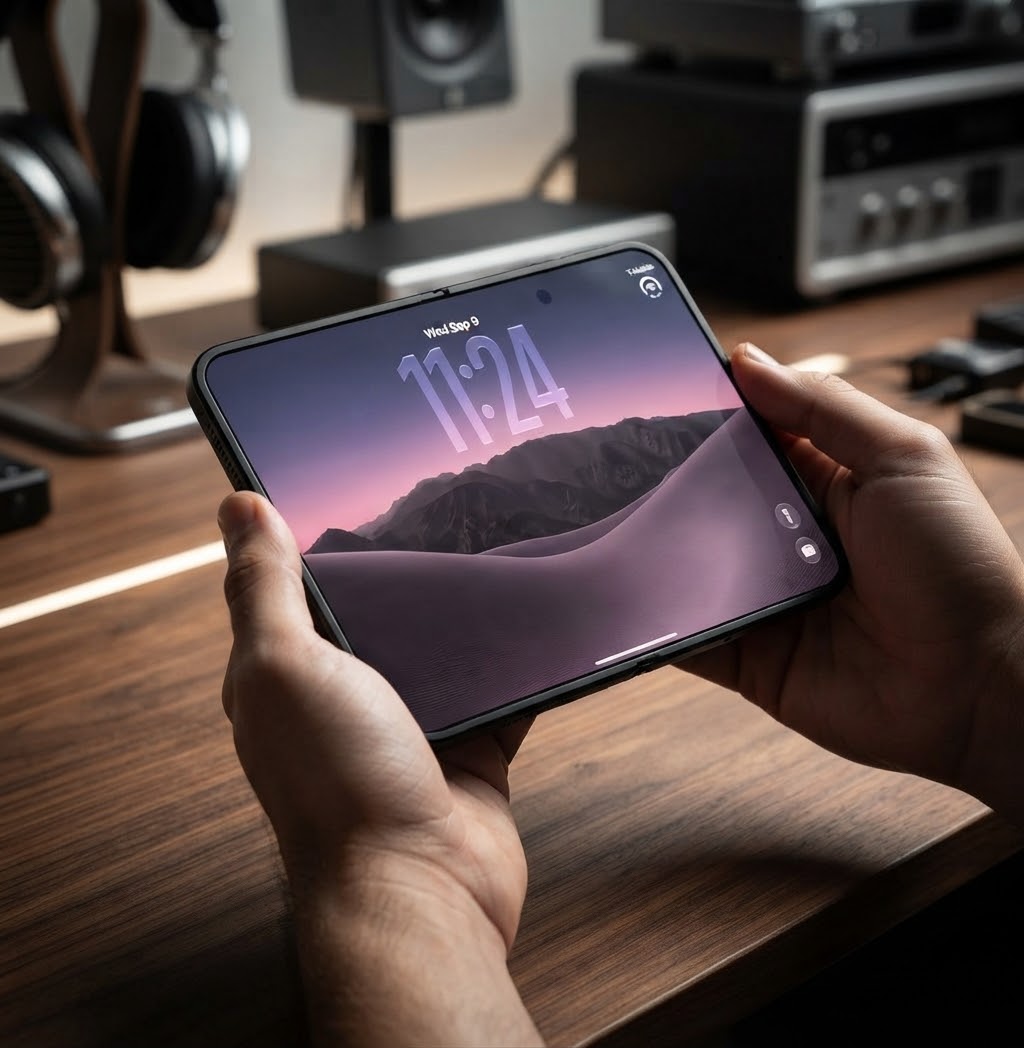
Wait, where is the standard iPhone 18?
It is not here, and that is deliberate, not a mistake. Apple only announced Pro tier phones and the Duo today. According to reporting around the event, the standard iPhone 18 has not been canceled, it is simply shipping on a different schedule, alongside a rumored iPhone 18e and an iPhone Air 2, expected in early 2027 instead of this fall. Two explanations are floating around: one is that Apple wanted to avoid cramming too many major phone launches into a single event now that the lineup includes a foldable, splitting releases into a fall wave and a spring wave. The other is more practical, a memory chip shortage that made it harder to guarantee supply if Apple launched the base model alongside the Pro and Duo at the same time. Either way, if you were hoping to replace a budget or mid-range iPhone this month, today's event was not for you, that update is coming, just not yet.
AirPods 5
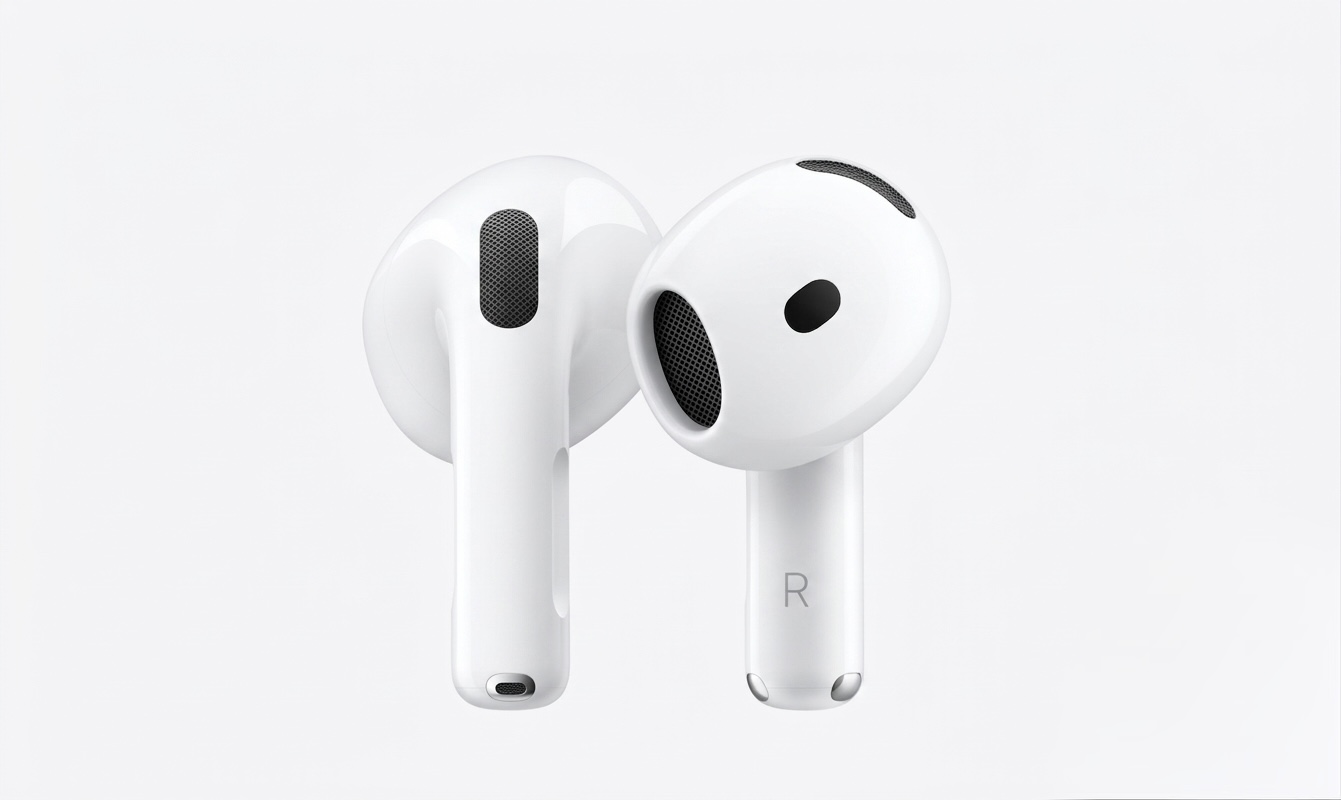
Apple also refreshed AirPods. The standard model is $129 and gets a next-generation Adaptive EQ, active noise cancellation Apple says is 50 percent better than AirPods 4, Live Translation support, and Siri AI compatibility, on a battery rated at 4 hours of listening, 20 hours with the case. A $149 version adds a wireless charging case, personalized Spatial Audio, a Volume Swipe stem gesture, and stretches total battery life to about 22 hours with the case. Preorders are open today, September 9, with shipping starting September 18, alongside the new iPhones.
Apple Watch Series 12 and Ultra 4
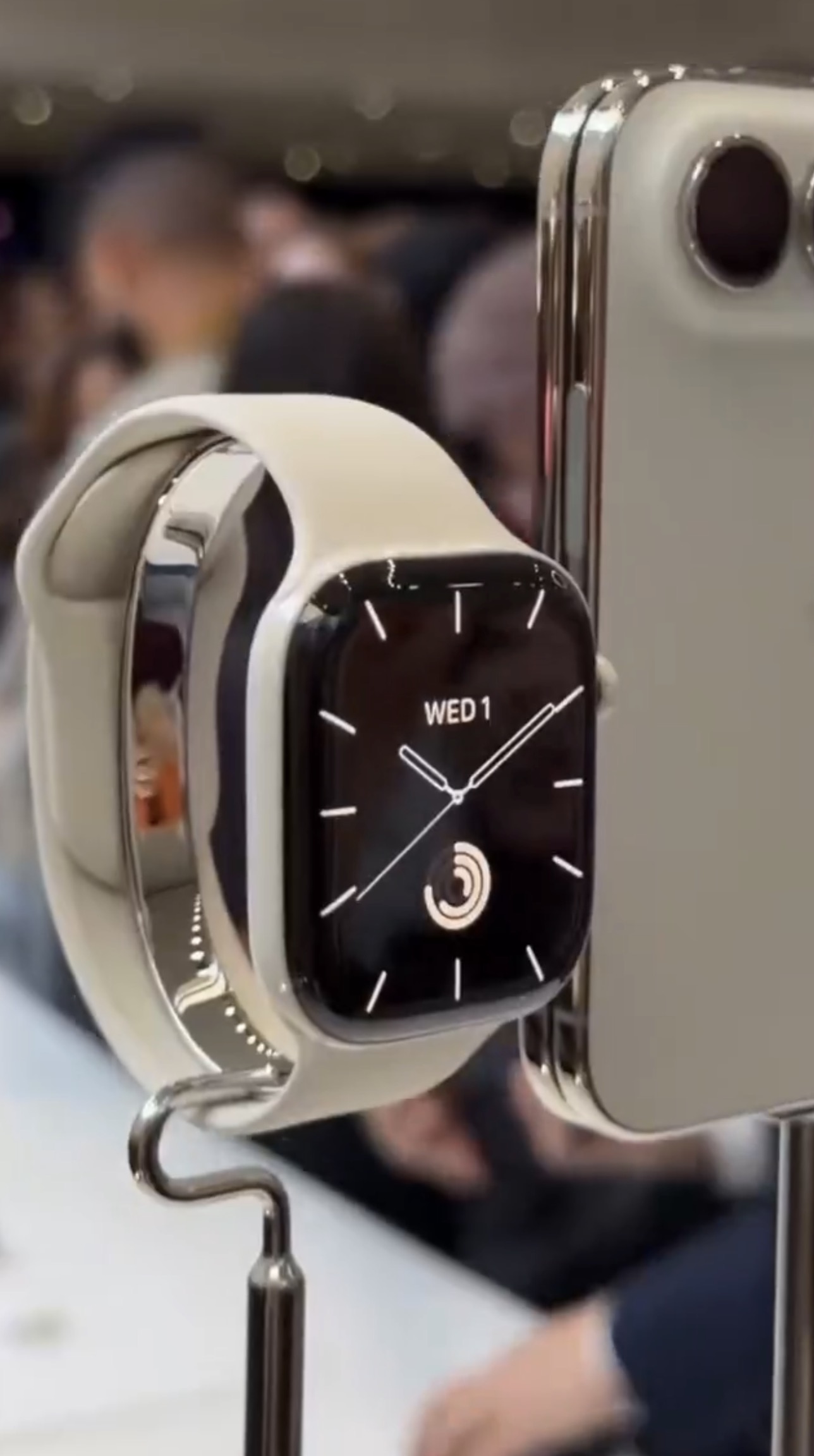
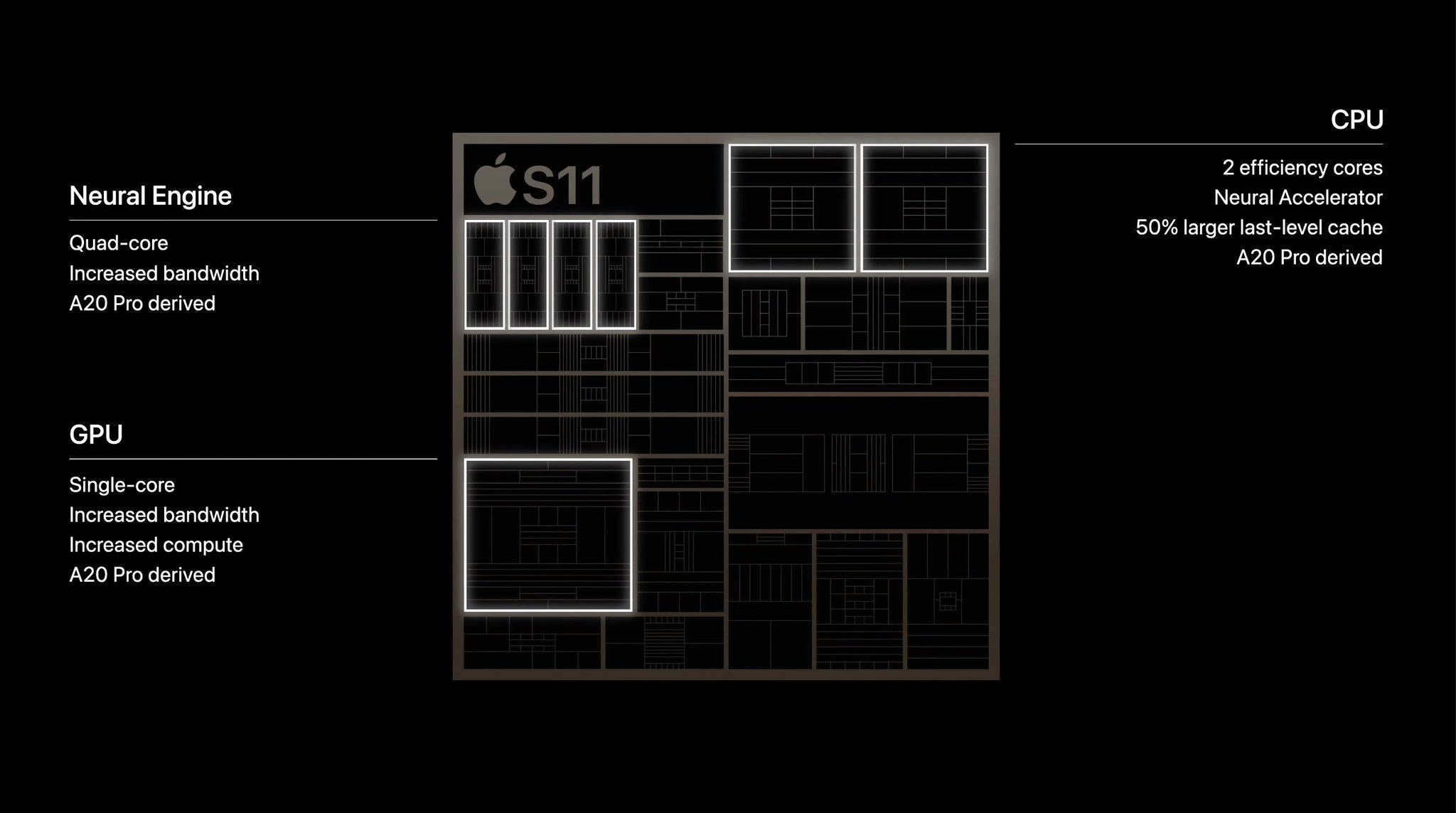
Both watches move to new Apple silicon with an upgraded Health Sensing System, Apple says it is the most accurate heart rate sensing it has shipped in a wearable, thanks to a larger electrode surface area, redesigned photodiodes, and bigger, more efficient LEDs. Both models pick up Siri AI, a Live Rewind feature that can repeat what was just said out loud, and Siri Recap, which generates daily summaries for you. The Series 12 keeps roughly the same design as the Series 11, no case redesign this year, and the Ultra 4 carries the same chip and sensor upgrades in its more rugged shell. Apple did not share pricing or ship dates for either watch during the keynote.
The software thread: Audio Intelligence and Siri Recap
Two features tie the whole event together and lean on the Siri AI overhaul Apple showed back at WWDC. Audio Intelligence uses on-device processing to recognize sounds around you, sirens, alarms, a doorbell, and can transcribe speech when that is useful, all without sending audio off the device, according to Apple. Siri Recap builds on that inside apps like Notes, generating transcriptions and summaries, and pairs with AirPods 5 for hands-free Siri AI, better dictation, and Live Translation on the go. If you followed our WWDC coverage on iOS 27's Siri AI rebuild, this is that same push showing up in the actual hardware lineup.
Apple is also leaning on trade-in credit to soften that Pro price increase, up to $885 off for an iPhone 17 Pro Max, up to $585 for an iPhone Air, plus a quiet change to how cracked-screen phones get valued. We broke down the full numbers separately: what your old iPhone is worth toward the new lineup.
The take
The real story from today is not a spec bump, it is Apple finally shipping a folding phone and, in the same breath, admitting the regular iPhone 18 needed more time. Both of those are honest moves for a company that usually ships on the same clock every September without explanation. The Pro price increase is worth noting too, $100 more than last year on both Pro models is a real jump, not a rounding error, and it is fair to ask whether the variable aperture camera and the vapor chamber changes justify it on their own. The Duo is the more interesting bet long term: a $1,999 starting price is steep, but it is also priced right in line with where Samsung's foldables already sit, which suggests Apple is treating this as a real product line, not a one-off experiment.
Prices, specs, and release dates here reflect Apple's September 9, 2026 keynote and same-day reporting on it, and some figures, including higher storage pricing on iPhone 18 Pro, Pro Max, and iPhone Duo, and Apple Watch pricing, had not been published by Apple as of this writing. This was cross-checked against TechRadar's live coverage (Source), MacObserver's pricing roundup (Source), MacRumors' iPhone Duo report (Source), and 9to5Mac's explainer (Source) on the missing iPhone 18. If you want apps that stay off this kind of AI and cloud plumbing by default, the studio's full lineup is at jcmobileappstudio.com/apps.
Comments
Be kind and stay on topic.
No comments yet. Be the first.